Why I’m Done Explaining My Boundaries: A Letter To Myself
A gentle letter to the version of me who thought she needed permission to protect her peace
My Dearest Former Self,
I’m writing this to you from a place you can’t quite imagine yet a place where “no” is a complete sentence, where your needs matter as much as everyone else’s, and where you don’t have to justify your right to protect your own peace.
I know you won’t believe me when I tell you this, but you’re going to stop explaining your boundaries. You’re going to stop over-apologizing for having limits. You’re going to stop writing essays to justify why you can’t do something that doesn’t serve you.
I know this feels impossible right now. I remember how it felt to be you – constantly worried about disappointing people, terrified that setting a boundary meant you were being mean or selfish. I remember the exhaustion of crafting the perfect explanation for why you couldn’t take on another project, attend another event, or say yes to another request that made your soul feel heavy.
But sweet girl, I need you to know: you don’t owe anyone a dissertation on why you need to protect yourself.
The Day Everything Changed
Let me tell you about the moment everything shifted. It was a Tuesday afternoon, and you were on the phone with someone who had asked you to take on yet another commitment that you absolutely did not have the bandwidth for. Instead of simply saying no, you found yourself launching into a 10-minute explanation about your schedule, your stress levels, your other obligations, your health, your need for rest – hoping that if you presented enough evidence, they would grant you permission to decline.
And then, mid-sentence, you stopped. You realized you were pleading your case to someone else about your own life, your own time, your own energy. You were asking for approval to make a choice that was yours to make.
That’s when you whispered the words that would change everything: “Actually, I don’t need to explain this. The answer is no, and that’s enough.”
There was silence on the other end. Not angry silence – just… silence. And then, to your surprise, they said, “Okay, I understand.”
That’s it. No argument. No guilt trip. No demand for further explanation.
You had spent years crafting elaborate justifications for your boundaries, and all along, most people just needed to hear your decision, not your defense of it.
The Stories We Tell Ourselves
I know why you explain everything, darling. You learned early that your “no” wasn’t enough on its own. You learned that you had to make a case for your choices, provide evidence for your limits, and convince others that your needs were valid.
You tell yourself these stories:
- “If I don’t explain, they’ll think I don’t care about them”
- “I need to give them a reason so they don’t take it personally”
- “If I provide enough context, they’ll understand and won’t be upset”
- “A simple ‘no’ sounds too harsh or rude”
- “I need to prove that my reason is ‘good enough'”
But here’s what I’ve learned: when you over-explain your boundaries, you’re not being considerate you’re teaching people that your decisions are up for debate. You’re inviting negotiation when you should be stating facts.
The Exhausting Performance of Justification
Remember how tired you used to get just from saying no to things? It wasn’t the declining that exhausted you it was the emotional labor of crafting the perfect explanation, the mental energy spent anticipating their reaction, the anxiety about whether your reasoning would be deemed acceptable.
You would rehearse these conversations in your head, workshopping different explanations like you were preparing for a court case. “What if I say I’m too tired? Will they think I’m lazy? What if I mention my anxiety? Will they think I’m making excuses? What if I tell them about my other commitments? Will they suggest solutions I don’t want?”
The performance was exhausting because it was built on a lie – the lie that other people get to decide whether your boundaries are reasonable. The lie that you need permission to protect yourself. The lie that your “no” requires external validation to be valid.
What I Know Now That I Wish You Knew Then
Your boundaries are not suggestions up for discussion. They’re information about what you will and won’t do, what you can and can’t handle, what serves you and what doesn’t. When you present them as such with kindness but without negotiation something magical happens: people respect them.
The right people, anyway. And the people who don’t respect boundaries that are communicated clearly and kindly? Well, they’re showing you exactly why those boundaries are necessary.
You don’t need to provide:
- A detailed schedule to prove you’re busy
- Medical documentation to justify needing rest
- A list of your other commitments to validate your priorities
- An emotional essay about your mental health to explain your limits
- A dissertation on your values to defend your choices
You just need to provide your answer: “I won’t be able to do that.” “That doesn’t work for me.” “I’m not available.” “I can’t commit to that right now.” “No, thank you.”
The Kindness in Clarity
I used to think that over-explaining was the kind thing to do. I thought I was being considerate by helping others understand my decision. But what I’ve learned is that clarity is the kindest gift you can give to yourself and to others.
When you’re direct about your boundaries, you’re being respectful of everyone’s time and energy. You’re not making them guess at your real answer. You’re not leaving room for misinterpretation or false hope. You’re not making them feel like they need to solve your problems or talk you out of your decision.
You’re simply sharing information: this is what I can do, this is what I can’t do, this is what works for me, this is what doesn’t.
The Freedom on the Other Side
Oh, my dear former self, if you could feel the freedom that awaits you on the other side of this shift. The lightness that comes from stating your needs without shame. The peace that comes from knowing your boundaries are not up for debate. The energy you’ll have when you stop spending it all on justifications and explanations.
You’ll discover that most people actually prefer clarity over elaborate explanations. They’d rather know where they stand than wonder what you really mean. They’d rather respect a clear boundary than try to navigate around a wishy-washy one.
You’ll learn that the people who truly care about you want to know your limits so they can honor them, not so they can find ways around them. And the people who push back on your unexplained boundaries? They’re giving you valuable information about who they are and how they view your autonomy.
The Practice of Gentle Firmness
Start small, sweet one. Practice saying “That doesn’t work for me” without the follow-up explanation you’re dying to give. Notice the urge to justify, and breathe through it. Trust that your decision is enough, that you are enough, that your boundaries matter simply because they’re yours.
You’ll be amazed at how often people simply say “okay” and move on. You’ll be surprised by how much mental energy you have when you’re not spending it all on crafting the perfect explanation for your perfectly valid needs.
When someone asks “Why not?” you can simply say, “It just doesn’t work for me right now.” When they push for more details, you can kindly repeat, “I wish I could help, but I can’t commit to that.”
You don’t owe anyone access to your reasoning, your schedule, your emotional state, or your decision-making process. You only owe them clarity about your decision, delivered with as much kindness as you can genuinely offer.
A Promise for Your Future
I promise you this: the day you stop explaining your boundaries is the day you start truly honoring them. It’s the day you stop seeking permission to protect yourself and start simply doing it. It’s the day you realize that your “no” has always been complete, and your worth has never been dependent on other people’s approval of your choices.
You are not selfish for having limits. You are not mean for enforcing them. You are not required to set yourself on fire to keep others warm, and you are certainly not required to provide a detailed explanation of why you’re choosing not to burn.
Your boundaries are love letters to your future self. Your unexplained “no” is a gift to your peace of mind. Your refusal to justify your needs is an act of self-respect that will ripple out into every area of your life.
Trust me on this. Trust yourself on this.
You are worthy of boundaries that don’t require a defense.
With So Much Love and Hard-Won Wisdom,
Your Future Self 💕
📖 For the Journey Ahead
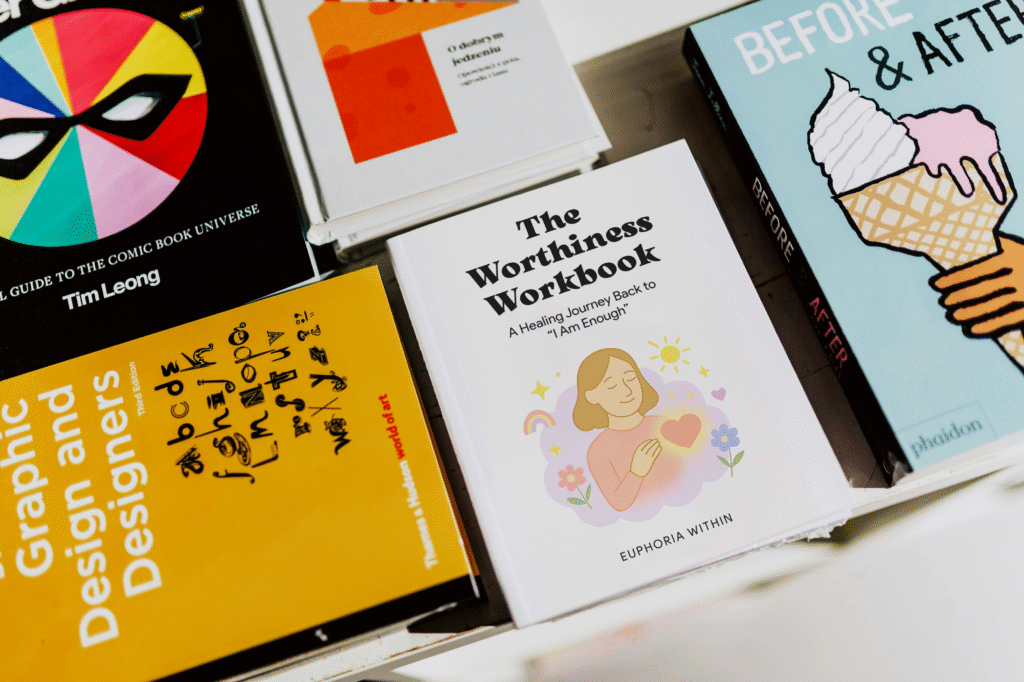
If this letter feels like it was written for you too, you might find comfort and guidance in The Worthiness Workbook: A Healing Journey Back to “I Am Enough”. It’s filled with gentle exercises to help you remember that your needs, your boundaries, and your decisions are valid simply because they’re yours.
Because the journey to unexplained boundaries starts with the deeper journey to unshakeable worthiness. And that journey? It’s waiting for you whenever you’re ready.
You can find the workbook here if your heart is ready for this deeper work. 🌿
Does this letter feel familiar? Have you found yourself over-explaining your boundaries too? I’d love to hear about your journey in the comments below. Sometimes sharing our stories helps others feel less alone in theirs. 💌